Is Your Senior Dog’s Walk Telling You Something?
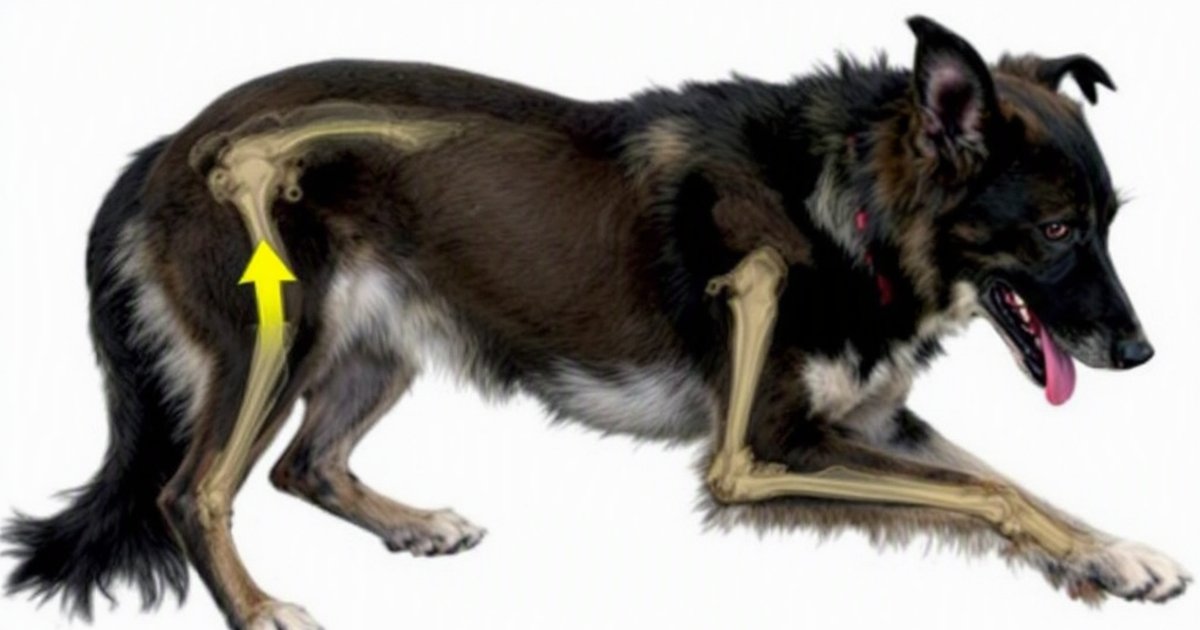
Senior dog cognitive decline may leave a quiet clue right in front of you — the way your dog moves. A new study published in Frontiers in Veterinary Science followed 88 older dogs and found that those with shorter front-leg strides tended to score higher on a scale used to measure dementia in dogs. Remarkably, this link held up even after the researchers factored in pain and age. In other words, gait changes in senior dogs may be about more than stiff joints.
If your older dog has started taking shorter, choppier steps, it might be worth more than a passing thought. This research adds a new piece to the puzzle of how cognitive decline shows up in aging dogs — and it could give pet owners and vets an extra reason to talk about brain health.
Why Watching a Dog Walk Could Reveal Brain Changes
Most people know that older dogs can develop a condition similar to Alzheimer’s disease in humans. In dogs, it is called canine cognitive dysfunction (CCD), or informally, dog dementia. Signs usually include things like confusion, forgetting house training, getting “stuck” in corners, or staring into space.
What has been harder to pin down is whether physical changes — like the way a dog walks — might also signal cognitive decline. Gait changes in older dogs are common, and they are usually blamed on arthritis or muscle loss. But researchers wondered: could some of those gait changes reflect what is happening in the brain, not just the body?
That is the question this study set out to answer.
How the Study Was Done
Researchers enrolled 88 client-owned senior and geriatric dogs in what is called a prospective longitudinal study — a fancy way of saying they watched the same dogs over time, not just at a single snapshot. The study tracked dogs as they aged through their senior years.
To measure how the dogs walked, the team used video-based gait analysis. Think of it as recording each dog’s steps on video and then carefully measuring how far each leg traveled with every stride. They focused specifically on the front legs — called thoracic limbs in veterinary terms, which simply means the legs attached to the chest and shoulders.
They adjusted stride measurements for each dog’s body size, so a Great Dane and a Beagle could be compared fairly. They also used the Canine Dementia Scale, a structured questionnaire that vets and owners use to rate signs of cognitive decline — things like spatial disorientation, disrupted sleep, or changes in social interaction.
The key question: after accounting for age and pain, did stride length still track with dementia scores?
What the Researchers Found
The findings were clear on two points:
Front-leg stride length got shorter as dogs aged. As dogs moved into their senior and geriatric years, their steps became smaller — a pattern the team could measure consistently using video analysis.
Shorter strides were linked to higher dementia scores, even after ruling out pain. This is the part that stands out. The researchers specifically accounted for the role of pain — since sore joints would obviously cause shorter steps. Even after doing that, the link between shorter strides and higher cognitive impairment scores remained. This suggests that something beyond physical discomfort may be affecting the way these dogs walk.
It is important to be clear about what this means: the study cannot show that a shorter stride brings on dementia, or that dementia brings on a shorter stride. It shows that the two things tend to go together. But the connection, even after controlling for pain, is meaningful enough to pay attention to.
What This Means for Dog Owners
A New Reason to Watch How Your Dog Moves
Most dog owners notice when their senior pet slows down. We tend to chalk it up to old age or arthritis — and that may still be part of the story. But this research suggests that if your older dog is taking noticeably shorter steps with its front legs, it could be worth mentioning to your vet in the context of brain health, not just joint health.
You don’t need to be a scientist to notice gait changes. Watch your dog walk down a hallway or across the yard. Are the steps shorter and more shuffling than they used to be? Does your dog seem to pick up its feet less, or look more hesitant in its movement? These observations can be genuinely useful information for your vet.
Gait Changes Are Never a Stand-Alone Diagnosis
It’s critical to be realistic here. Many things can shorten a senior dog’s stride: arthritis, muscle loss, nerve problems, or pain from any number of conditions. A change in stride is not a test for dementia on its own. It is a signal worth discussing — not a diagnosis.
When to Talk to Your Vet
If your senior dog shows a combination of physical changes and behavioral signs — like confusion, disrupted sleep, getting lost in familiar spaces, or changes in how they interact with family — that is a good moment to raise both topics at once. Mention the gait changes and the behavioral changes together. Your vet can help sort out how much is orthopedic and how much might be neurological.
Ask your vet about the Canine Dementia Scale or similar cognitive screening tools. These questionnaires take just a few minutes to fill out and can give your vet a clearer picture of where your dog stands.
Study Limitations to Keep in Mind
This study is an important step forward, but it has limits. The sample size — while meaningful — was 88 dogs, and more research with larger groups will be needed to confirm these findings. The study also does not establish a direct cause-and-effect relationship between stride length and cognitive decline. Gait changes can arise from many orthopedic or neurological conditions, and the study’s video analysis method would need further validation before becoming a standard screening tool in veterinary practice.
Researchers were also careful to note that this does not mean all dogs with short strides have dementia — far from it. The connection between the two is a statistical trend, not a rule.
The Bottom Line
This study opens an interesting window into how cognitive decline in senior dogs might show up in the way they walk. In 88 older dogs, shorter front-leg strides were linked to higher dementia scores — even after accounting for pain. That connection matters because it suggests gait may one day become part of a broader toolkit for catching cognitive decline early.
For now, the most practical takeaway is this: if your senior dog’s walk has changed, don’t just assume it’s arthritis. Mention it to your vet along with any behavioral changes you’ve noticed. The more information your vet has, the better chance they have of spotting what’s really going on — and helping your dog age as comfortably and clearly as possible.
This article summarizes peer-reviewed research for educational purposes. Always consult with your veterinarian for personalized advice about your pet’s health and behavior.